
Imagine starting your workday to discover that a trusted tool meant to safeguard your business's sensitive information has been compromised. That's the reality many small business owners faced after the 2022 LastPass breach, which exposed vulnerabilities in password management systems and triggered a wave of ongoing security concerns. For small enterprises juggling limited resources and growing digital dependencies, events like this serve as a stark reminder that relying solely on passwords leaves doors wide open to cybercriminals. In this post, we'll examine the breach's lasting impact, uncover the shortcomings of traditional password strategies, and explore how adopting multi-factor authentication (MFA) can fortify your operations against such threats. By understanding these risks and taking proactive steps, you can better protect your customer data, financial records, and team productivity.
The LastPass incident didn't end with the initial hack—its ripples continue to affect businesses worldwide. Hackers first infiltrated the company's development environment through a compromised developer account, stealing source code and setting the stage for deeper access. By late 2022, they had reached encrypted user vaults stored in a third-party cloud service, making off with metadata, website URLs, and even partially encrypted password files for millions of users. Fast-forward to 2024 and 2025, and reports emerged of stolen credentials fueling phishing attacks, ransomware campaigns, and identity theft that targeted businesses relying on LastPass for secure access.
For small businesses, the fallout is particularly alarming. With teams often sharing logins across email, cloud storage, and accounting software, a single breach can cascade into operational chaos. Financial losses from downtime, legal fees for data protection violations, and eroded customer trust are common outcomes. Cybersecurity experts note that incidents like this highlight how even reputable password managers can't fully shield against sophisticated threats. Small Enterprise Technology, a trusted partner for small business IT support, has seen firsthand how these events prompt urgent overhauls in authentication practices to prevent similar disruptions.
Understanding the LastPass Breach: A Timeline and Key Lessons
To grasp why the LastPass breach remains a pivotal moment for small business cybersecurity, let's break down the events step by step. The intrusion began in August 2022 when attackers used infostealer malware on a developer's home computer to access LastPass's internal systems. They spent weeks lurking undetected, exfiltrating source code and gaining insights into the platform's architecture. This initial phase exposed basic access control weaknesses, a common oversight in fast-paced software environments.
The situation escalated dramatically in December 2022. Hackers, leveraging their earlier gains, compromised a shared cloud storage area where LastPass kept unencrypted backups of customer vaults. This trove included not just encrypted passwords but also unencrypted elements like billing addresses, usernames, and site names—valuable intel for targeted scams. LastPass notified users, but the damage was done: over 30 million accounts were potentially at risk, with some estimates suggesting up to 630 million unique passwords were harvested across the ecosystem.

The aftermath unfolded over years, with real-world consequences emerging in 2023 and beyond. Stolen data appeared on dark web forums, enabling hackers to craft personalized phishing emails that bypassed basic defenses. High-profile cases included ransomware hits on companies using LastPass, where attackers exploited the exposed URLs to guess entry points into corporate networks. For small businesses, these secondary attacks meant more than just password resets—they involved recovering from system lockdowns, notifying affected clients, and facing regulatory scrutiny under laws like the California Consumer Privacy Act (CCPA).
Key lessons from this timeline are clear for business owners. First, cloud dependencies introduce hidden risks; even encrypted data can be undermined if backups aren't isolated properly. Second, human elements—like unsecured personal devices—remain the weakest link, underscoring the need for comprehensive training. Third, the breach revealed that password managers, while convenient for generating strong, unique credentials, don't address the full spectrum of authentication threats. Small businesses, often without dedicated security teams, are hit hardest, as they lack the buffers larger firms enjoy. Partnering with experts like Small Enterprise Technology can help conduct breach impact assessments, ensuring your setup isn't unwittingly exposed to similar vulnerabilities.
Consider the broader implications: According to industry reports, credential-based attacks account for over 80% of breaches. The LastPass saga illustrates how a single failure point can amplify across your operations, from email compromises to supply chain disruptions. By dissecting these events, small business owners can identify parallels in their own systems and prioritize defenses that go beyond passwords.
The Inherent Failures of Traditional Password Management
Password management tools like LastPass promised a simpler way to handle the chaos of multiple logins, but the breach laid bare their limitations. At their core, these systems rely on a master password to unlock a vault of credentials. If that master key falls—through phishing, keylogging, or, as in LastPass, insider access—everything inside becomes vulnerable. The 2022 incident showed how attackers didn't need to crack individual encryptions; they stole the vaults wholesale, rendering even complex passwords moot without additional barriers.
One major pitfall is over-reliance on software alone. Small businesses often adopt password managers to streamline access for remote teams, but without rigorous policies, issues arise. Employees might reuse master passwords across personal accounts, or neglect updates after alerts, creating easy entry points. The LastPass breach amplified this when hackers used stolen metadata to map user behaviors, launching spear-phishing campaigns tailored to business contexts—like fake vendor invoices targeting accounting logins.
Another failure lies in the static nature of passwords. They represent "something you know," but in an era of advanced malware, that knowledge can be extracted remotely. Post-breach analyses revealed that while LastPass's zero-knowledge architecture protected against direct decryption, unencrypted attachments and notes in vaults provided hackers with footholds. For small enterprises, this translates to risks in everyday tools: compromised CRM systems leading to client data leaks, or breached email servers halting communications.

Human error compounds these technical flaws. With limited IT oversight, small business teams may disable features for convenience, like autofill on shared devices, inviting keylogger infections. Statistics show that 95% of security incidents involve human factors, and password managers can't mitigate what users bypass. Moreover, vendor breaches like LastPass's introduce supply chain dangers—your security is only as strong as your provider's.
These shortcomings don't mean abandoning password tools entirely; they enhance credential hygiene. However, the LastPass aftermath proves they're insufficient standalone solutions. Small businesses need layered protections to address evolving threats, from nation-state actors to opportunistic hackers. Services from Small Enterprise Technology can audit your current password practices, identifying gaps and recommending hybrid approaches that integrate better safeguards.
Why Multi-Factor Authentication is the Essential Next Step
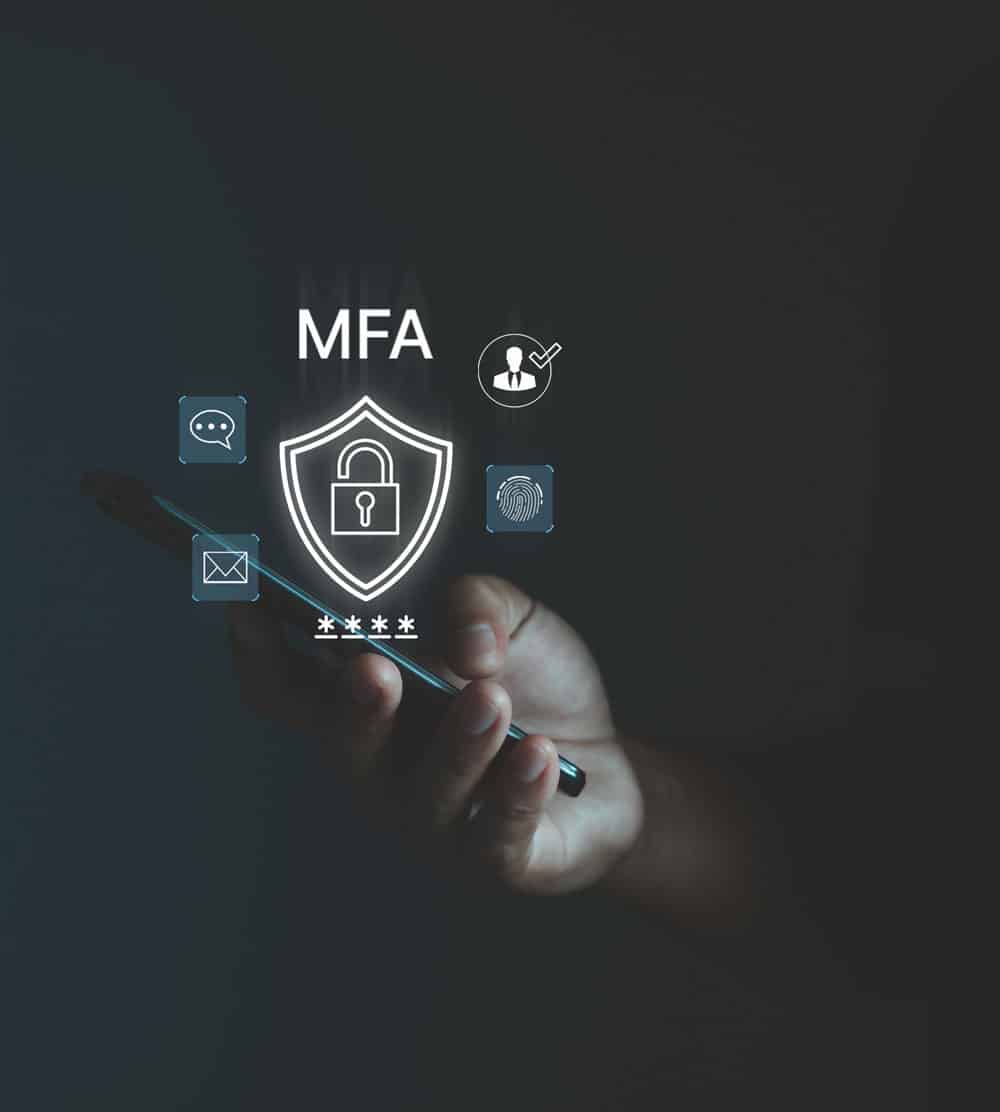
Multi-factor authentication (MFA) emerges as the logical evolution from password-centric systems, adding verification layers that make breaches like LastPass's far less devastating. MFA requires at least two factors: something you know (a password), something you have (a phone app or hardware token), or something you are (biometrics like fingerprints). Even if hackers snag your credentials from a compromised vault, they can't proceed without the second factor, effectively neutralizing many attacks.
Tying back to the LastPass breach, MFA could have blunted the impact significantly. Stolen passwords alone wouldn't grant access if accounts demanded app-based codes or biometric checks. Industry data supports this: Microsoft reports MFA blocks over 99% of automated attacks, while Google notes it prevents 100% of bot-driven logins. For small businesses, this means safeguarding critical assets like financial platforms or customer databases without overhauling infrastructure.
The benefits extend to cost and ease. Free apps like Authy or Microsoft Authenticator integrate seamlessly with tools small enterprises already use, such as Google Workspace or QuickBooks. Hardware options, like YubiKeys, offer phishing-resistant protection for high-stakes logins. In the breach's wake, experts advocated MFA as a standard, with non-adopters facing higher recovery costs—up to 300% more, per cybersecurity benchmarks.
Addressing common concerns, modern MFA minimizes friction. Push notifications or biometrics replace clunky SMS codes, taking seconds to verify. Adaptive MFA even adjusts based on context, like requiring extra steps for logins from new devices. For small businesses in dynamic environments, this flexibility prevents disruptions while enhancing compliance with standards like NIST or PCI DSS.
Ultimately, MFA shifts the security paradigm from reactive password fixes to proactive defense. It empowers owners to focus on growth, knowing access points are fortified. Small Enterprise Technology specializes in MFA implementations tailored for small operations, ensuring smooth rollouts that align with your unique workflows.
Implementing MFA in Your Small Business: A Practical Guide
Transitioning to MFA doesn't require a complete overhaul—start small and scale strategically. Begin by inventorying your access points: List all accounts handling sensitive data, from email to SaaS apps, and prioritize those with shared use or external access.
Here's a step-by-step checklist to guide your rollout:
For small businesses, affordability is key; most solutions are low-cost or included in existing subscriptions. Avoid pitfalls like universal enablement without training, which can lead to shadow IT workarounds. If needed, consult Small Enterprise Technology for customized audits—they handle everything from initial setup to ongoing monitoring, freeing you to run your business.
This approach not only mitigates password failures but builds a culture of security, reducing breach likelihood by layers.
Securing Your Future: Take Action Today
The LastPass breach and its enduring aftermath underscore a critical truth: Password management, while helpful, falls short against modern cyber risks, leaving small businesses exposed to data theft and operational setbacks. By embracing multi-factor authentication, you add essential defenses that verify users beyond credentials, dramatically cutting the chances of unauthorized access.
Don't wait for the next headline to prompt change. Audit your systems this week—enable MFA on key accounts and explore tailored support from Small Enterprise Technology to streamline the process. Your business's resilience depends on these steps; act now to protect what you've built and thrive securely in the digital landscape.
